
Resource Hub

What Is Slugging and How to Add It to Your Petroleum Jelly Skincare Routine
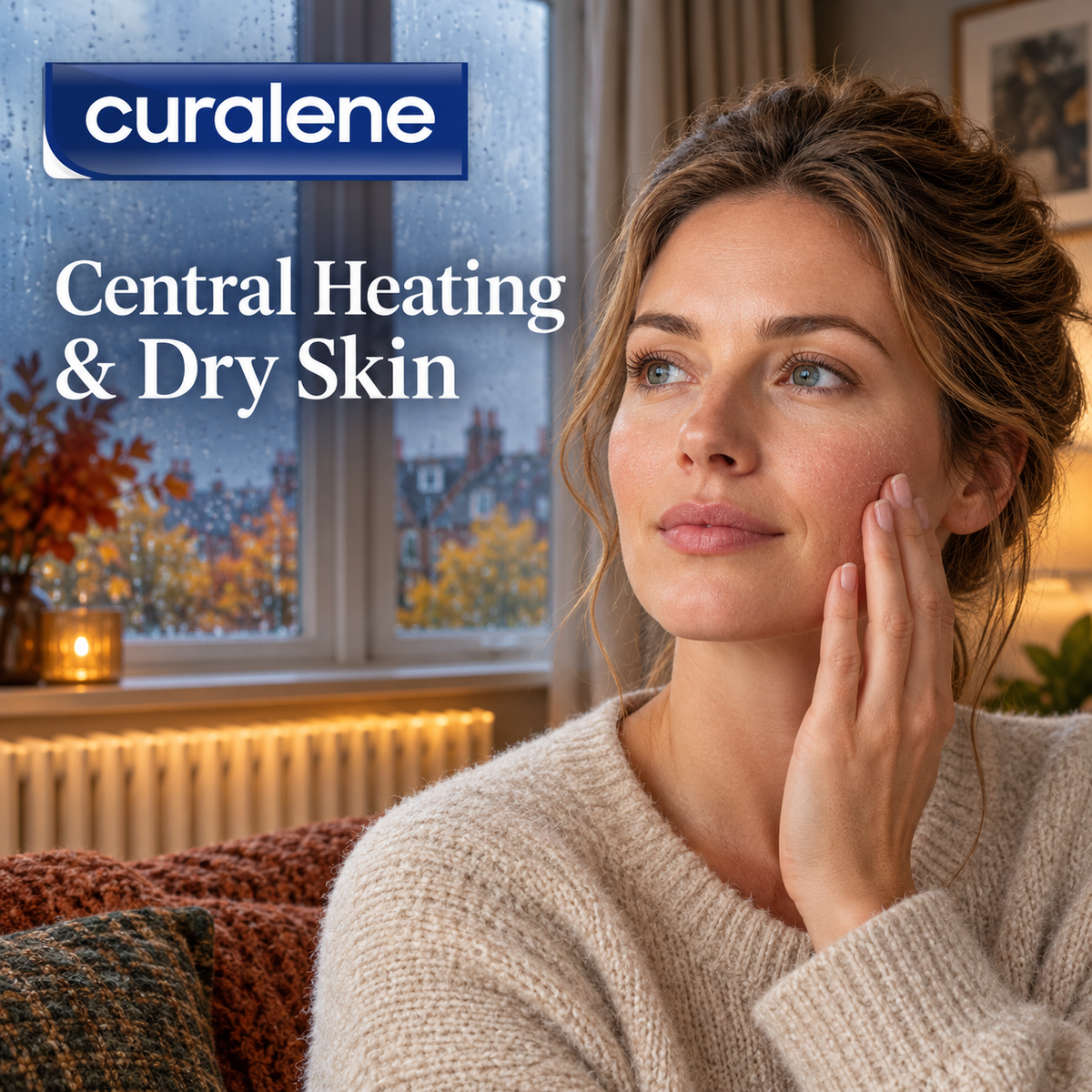
If your For You page has been full of people smearing a thick, glossy layer of jelly over their face before bed, you've already met "slugging." It looks unusual, it definitely isn't glamorous, but it's fast becoming one of the most talked about skincare habits in the UK and unlike most viral trends, this one is backed by something dermatologists have recommended for decades: petroleum jelly. Here at Curalene, we've been formulating petroleum jelly for sensitive, dry and easily irritated skin for years, so we thought it was time to explain exactly what slugging is, why it works, and how to do it properly at home. What Is Slugging? Slugging is the final step of a night-time skincare routine. After cleansing and applying your usual serums or moisturiser, you seal everything in with a thin layer of petroleum jelly. Left on overnight, it forms an occlusive barrier on the surface of the skin, which simply means it stops moisture from evaporating away while you sleep. The name comes from the trail of shine left behind not the most elegant image, but the results speak for themselves. Skin tends to look plumper, feel softer, and lose that tight, flaky sensation that so many of us wake up with, particularly during colder months or after a long day indoors with the heating on. Why Is Slugging Trending in the UK Right Now? A few things have come together at once. British weather is famously unkind to skin damp, windy days followed by dry, centrally heated evenings play havoc with the skin barrier all year round, not just in winter. At the same time, there's a broader shift happening in UK skincare towards simpler routines built around fewer, genuinely effective products, rather than ten-step regimens. Slugging fits neatly into both. It's a single step, it works with whatever routine you already have, and it uses a product most British households have kept in the bathroom cabinet for generations. It's less a new invention and more an old favourite getting the recognition it deserves. The Skin Science Behind It Skin loses water constantly through a natural process called transepidermal water loss. When your skin barrier is compromised from weather, central heating, over-cleansing or harsh actives that water loss speeds up, leaving skin dry, tight and flaky. An occlusive layer such as petroleum jelly slows this process down considerably, giving your skin the time and conditions it needs to repair itself overnight. This is why petroleum jelly has been a staple of dermatology for so long. It isn't flashy, and it doesn't claim to contain the latest trending ingredient, but it does one job extremely well: helping skin hold onto the moisture it already has. How to Add Slugging to Your Routine Cleanse your skin as normal. Slugging works best on clean skin sealing in the day's dirt or make-up isn't the goal. Apply your usual moisturiser or facial oil and give it a minute or two to sink in properly. Warm a small amount of petroleum jelly between your fingertips before applying, which makes it far easier to spread thinly. Smooth a thin layer over your face, or just the drier areas around the cheeks, nose and chin if you'd rather ease in gently. Leave it on overnight and cleanse away in the morning with your usual routine. Two or three nights a week is a sensible starting point. Those with very dry or weather-worn skin may find nightly use suits them better, while oilier or blemish prone skin types are often better off spot-treating just the driest patches rather than applying a full face layer. Choosing the Best Petroleum Jelly for Dry Skin in the UK Not every jar of petroleum jelly is formulated the same way, and texture makes a real difference when you're using it as an overnight seal. At Curalene, our petroleum jelly range has been designed with exactly this in mind: Original Petroleum Jelly — a pure, fragrance-conscious formula ideal for anyone wanting a straightforward occlusive layer. Coconut Petroleum Jelly — a slightly richer texture with a light natural scent, well suited to normal-to-dry skin. Cocoa Butter Petroleum Jelly — a more emollient option, popular with those dealing with particularly dry or mature skin. Aloe Vera Petroleum Jelly — a gentler formulation for reactive, sun-exposed or easily irritated skin. Whichever you choose, the same principle applies: a thin layer goes much further than a thick one, and consistency matters more than quantity. More Than Just a Face Routine: A Healing Balm for Dry Skin While slugging tends to get all the attention on social media, petroleum jelly has quietly earned its place as a genuine healing balm for dry skin well beyond the face. Cracked heels, rough elbows, chapped hands after a cold commute, and even dry cuticles all respond well to the same occlusive principle. Applying it to these areas before bed, or straight after a shower while skin is still slightly damp, helps lock in hydration exactly where it's needed most. It's also worth keeping a small tin or tube to hand as a soothing petroleum jelly for everyday minor dryness windburnt cheeks after a walk, sore skin around the nose during hay fever season, or dry patches that flare up with the changing seasons. It won't treat underlying skin conditions, but as a simple daily barrier against the elements, it's hard to beat. Common Slugging Mistakes to Avoid Applying too thick a layer. More isn't better a thin, even coating is all that's needed. Skipping cleanser first. Sealing in unwashed skin defeats the purpose of the routine. Using it under make-up during the day. Slugging is designed as an overnight step; a lighter daytime moisturiser is usually more practical. Ignoring your pillowcase. A soft, breathable pillowcase makes the whole experience far more comfortable. Final Thoughts Slugging isn't a gimmick it's a straightforward, low cost way to support your skin barrier using a product that's been trusted in British homes for generations. In a season where UK skincare is all about doing less and getting more back, a small jar of petroleum jelly might be the most quietly effective step you add to your routine all year. Frequently Asked Questions 1. Is petroleum jelly good for dry skin? Ans - Yes. Petroleum jelly works as an occlusive, meaning it forms a protective layer on the skin's surface that helps prevent moisture loss. For dry, flaky or weather-affected skin, this can noticeably improve softness and comfort when used consistently. 2. Can I use petroleum jelly on my face every night? Ans - Many people do, particularly those with dry skin. However, those with oilier or blemish-prone skin may prefer to use it two to three times a week, or apply it only to specific dry patches rather than the entire face. 3. What's the difference between slugging and simply moisturising? Ans - Moisturiser typically adds hydration and active ingredients to the skin, while petroleum jelly's role is to seal that hydration in. Slugging works best as the final step after moisturising, not as a replacement for it. 4. Is petroleum jelly suitable for sensitive skin? Ans - Petroleum jelly is generally well tolerated by sensitive skin, as it's free from many common irritants. A fragrance-conscious or aloe vera-based formula can be a gentle place to start if your skin reacts easily. 5. Can I use petroleum jelly on my lips and hands too? Ans - Absolutely. Its occlusive properties make it just as useful as a healing balm for dry skin on lips, hands, elbows and heels as it is on the face. 6. Will slugging make my skin oilier over time? Ans - No. Petroleum jelly doesn't add oil to the skin or affect its natural oil production; it simply helps prevent water loss. Those with oilier skin types may just prefer a lighter application or a spot-treatment approach.
Learn more
Hydrating vs Moisturising Lip Balm: What Works Best for UK Weather?
If you live in the UK, you’ll know that our weather is rarely kind to skin – and lips often suffer the most. One day it’s cold and windy, the next it’s damp, and indoors we rely heavily on central heating. All of this can leave lips feeling dry, tight, and uncomfortable. Choosing the right lip balm isn’t just about preference; it’s about understanding what your lips actually need. Many people assume hydrating and moisturising lip balms are the same, but they work in different ways. Knowing the difference can make a real difference to how your lips feel throughout the year. Why Do Lips Become Dry in the UK Climate? Lips have thinner skin than the rest of the face and lack oil glands, which means they lose moisture very quickly. In the UK, cold winds strip away natural hydration, while indoor heating dries the air even further. Rainy weather and sudden temperature changes don’t help either. This is why so many people search for a reliable lip balm for dry lips in the UK, especially during autumn and winter. Without proper care, dryness can quickly turn into chapped or cracked lips. What Is a Hydrating Lip Balm? A hydrating lip balm is designed to add water back into the skin. It works by drawing moisture into the lips, helping to relieve that tight, dehydrated feeling. How Hydrating Lip Balm Helps Dry Lips in the UK Hydrating lip balms are especially useful when dryness is caused by indoor heating, long office hours, or air-conditioned spaces. They are lightweight and comfortable, making them ideal for daytime use when lips feel dry but not yet damaged. Many people find a hydrating lip balm in the UK works best as a first step, particularly during mild weather or early winter when lips are starting to feel dry but haven’t cracked yet. What Is a Moisturising Lip Balm? Moisturising lip balms work differently. Instead of adding water, they focus on locking existing moisture into the skin. They form a protective layer over the lips, helping shield them from cold air, wind, and harsh weather. Why Moisturising Lip Balm Is Essential for UK Winters During colder months, a moisturising lip balm in the UK becomes essential. It acts as a barrier against the elements, reducing moisture loss and preventing lips from becoming sore or cracked. This is why richer textures are often recommended as a lip balm for winter in the UK, particularly for people who spend a lot of time outdoors. Hydrating vs Moisturising Lip Balm: What’s the Real Difference? In simple terms, hydration adds water, while moisturising locks it in. One isn’t better than the other; they just serve different purposes. If your lips feel dry but smooth, hydration may be enough. If they’re rough, flaky, or sore, a moisturising formula will usually work better. Many people in the UK find that using both at different times of the day gives the best results. Lip Balm for Chapped and Cracked Lips in the UK Once lips become chapped, they need more than light hydration. This is where heavier, protective ingredients come in. Products similar in texture to Petroleum Jelly for Dry Skin are often used at night to seal in moisture and support the skin’s natural repair process. For very dry or cracked lips, applying a moisturising lip balm before bed can help restore softness by morning, especially during harsh winter weather. Best Lip Balm for Sensitive Lips in the UK Sensitive lips can react easily to fragrances or strong additives. If you experience stinging or redness, it’s best to choose gentle formulas and keep your routine simple. Supporting lip care with overall skin-friendly habits helps too. For example, washing your face and body with mild products, such as the best glycerin soap, can help prevent dryness spreading from the surrounding skin to the lips. How to Choose the Best Lip Balm in the UK When choosing the best lip balm in the UK, think about when and how you’ll use it: For daytime dryness: choose a hydrating formula For cold weather protection: opt for a moisturising balm For overnight repair: use a richer, protective layer If you plan to buy lip balm online in the UK, always check that it’s suitable for British weather and daily use. A Simple Daily Lip Care Routine for UK Weather A consistent routine makes a big difference: Morning: Apply a hydrating lip balm before heading out Daytime: Reapply as needed, especially in windy conditions Evening: Use a moisturising balm to protect lips overnight This balance helps keep lips comfortable and soft all year round. Final Thoughts: What Works Best for UK Weather? There’s no one size fits all answer. Hydrating lip balms are great for everyday dryness, while moisturising lip balms are essential for cold, windy UK days. Understanding when to use each can help prevent discomfort and keep lips healthy throughout the year. At Curalene, we believe lip care should be simple, effective, and suited to real UK conditions. With the right balance of hydration and protection, soft and comfortable lips are achievable in every season. FAQ’S1) What is the best lip care routine for UK weather? A simple routine works best: use a hydrating lip balm during the day, reapply as needed, and switch to a moisturising lip balm at night for overnight protection. 2) Can indoor heating affect lip dryness in the UK? Yes, indoor heating reduces moisture in the air, which can dry out lips quickly, even if you’re not spending much time outdoors. 3) Does cold weather make lips darker or more dry? Cold weather doesn’t usually cause darkening, but it can make lips drier and more prone to cracking, which may make them look dull or uneven. 4) Can lip balm really heal cracked lips? Lip balm can help cracked lips heal by keeping them protected and moisturised. Consistent use, especially overnight, allows the skin on the lips to repair itself naturally. 5) What lip balm works best for chapped lips in winter? For chapped lips in winter, a moisturising lip balm with a thicker texture works best, as it helps seal in moisture and protect lips from further damage.
Learn more
Glycerin Soap for Sensitive Skin: Benefits, Uses & Expert Tips
Sensitive skin can be difficult to manage, especially in the UK where cold winds, central heating, and hard water often lead to dryness and irritation. Many people struggle to find a cleanser that cleans effectively without leaving the skin feeling tight or uncomfortable. This is where glycerin soap has quietly become a go-to solution for gentle, everyday cleansing. Known for its moisturising properties, glycerin soap is widely recommended for those with delicate or reactive skin. In this guide, we’ll explore the benefits of glycerin soap for sensitive skin, how to use it correctly, and what to look for when choosing the best option in the UK. What Is Glycerin Soap? Glycerin soap is a gentle cleansing bar that contains glycerin, a natural humectant that attracts moisture from the air into the skin. Unlike many traditional soaps that strip away natural oils, glycerin soap helps maintain hydration while cleansing. Understanding Glycerin Soap Bars A glycerin soap bar works by lifting dirt and impurities without disrupting the skin’s protective barrier. This makes it especially suitable for: Sensitive skin Dry or flaky skin Skin prone to redness or tightness Glycerin Soap Benefits for Sensitive Skin Why Glycerin Soap for Sensitive Skin Works So Well One of the key glycerin soap benefits is its ability to cleanse without irritation. Sensitive skin often reacts badly to harsh surfactants, fragrances, and alcohol-based products. Glycerin soap is usually free from these triggers. Key benefits include: Helps calm irritated skin Supports the skin’s natural moisture balance Suitable for daily use Pure Glycerin Soap Benefits for Hydration Pure glycerin soap is particularly effective because glycerin draws moisture into the outer layer of the skin. This helps reduce dryness and that uncomfortable “tight” feeling after washing. Glycerin Soap for Dry Skin in the UK Climate The UK climate can be harsh on sensitive skin, especially during autumn and winter. Cold air outside combined with indoor heating can strip moisture from the skin. How Moisturising Glycerin Soap Helps A moisturising glycerin soap helps: Prevent flaking caused by cold weather Reduce dryness linked to hard water Keep skin soft throughout the day Many people find that glycerin soap for dry skin works best when followed by a simple, fragrance free moisturiser. Natural Glycerin Soap vs Regular Soap Why Natural Glycerin Soap Is Better for Sensitive Skin Regular soaps often contain sulphates and artificial fragrances, which can irritate sensitive skin. Natural glycerin soaps is typically milder and focuses on hydration rather than deep stripping. Feature Glycerin Soap Regular Soap Moisture retention High Low Suitable for sensitive skin Yes Often no Daily use Gentle Can be drying For those managing redness or dryness, glycerin soap is usually the safer long-term choice. Best Glycerin Soap for Sensitive Skin in the UK How to Choose the Best Glycerin Soap When searching for the best glycerin soap, look for: High glycerin content Minimal ingredients No artificial colour or strong fragrance Clear labelling for sensitive skin Avoid soaps that claim to be moisturising but still contain harsh detergents. How to Use Glycerin Soap for Sensitive Skin Daily Routine Using a Glycerin Soap Bar For best results: Use lukewarm water (hot water can worsen dryness) Lather the glycerin soap gently in your hands Cleanse without scrubbing Pat skin dry with a soft towel Follow up with a moisturiser while the skin is still slightly damp. Expert Tips for Better Results Use glycerin soap once or twice daily Avoid combining it with harsh exfoliants Keep showers short during winter Glycerin Soap for Winter Skin Care Why Glycerin Soap Is Ideal for UK Winter Skin During winter, many people experience cracked or itchy skin. Glycerin soap for winter skin helps by locking in moisture and reducing water loss caused by cold air. It’s particularly helpful for: Hands exposed to frequent washing Arms and legs prone to dryness Sensitive facial skin Common Myths About Glycerin Soap Is Glycerin Soap Suitable for All Skin Types? While glycerin soap is ideal for sensitive and dry skin, it can also suit normal and combination skin. Those with very oily skin may prefer alternating with a lighter cleanser. Why Choose Curalene Glycerin Soap? If you’re looking for a gentle cleanser that respects your skin, Curalene glycerin soap is a reliable choice for everyday care. Curalene focuses on gentle, skin friendly formulations designed to support everyday skin health. Our glycerin soap is crafted to suit sensitive and dry skin, making it ideal for the UK climate and daily routines. Conclusion Glycerin soap remains one of the simplest and most effective cleansing options for sensitive skin. With proven moisturising benefits and gentle performance, it fits perfectly into a UK skincare routine especially during colder months. For those seeking comfort, hydration, and balance, glycerin soap is a small change that can make a big difference. FAQs 1) Is glycerin soap good for sensitive skin in the UK? Yes, glycerin soap is widely used in the UK for sensitive skin due to its gentle and moisturising nature. 2) Can glycerin soap be used every day? Glycerin soap is generally safe for daily use, even for delicate skin. 3) Does glycerin soap help with dry skin in winter? Yes, it helps retain moisture, making it suitable for cold UK winters. 4) Is glycerin soap suitable for children? Most glycerin soaps are mild enough for children, but always check the ingredients. 5) Does glycerin soap clog pores? Glycerin is non comedogenic, meaning it does not usually clog pores.
Learn more
How to Prevent Chapped Lips in the UK’s Harsh Winter Weather
When cold winds blow in the UK, one of the first signs of the severity of the season shows itself in your lips. Chapped, dry, cracked lips are a seasonal agony for anyone who has to experience the outside, whether commuting in the ravenous cold or the person plopped at home warming up indoors. But don’t fret you can help manage your lips to remain soft, healthy, and hydrated throughout the season with some simple care, consistency, and understanding of what winter does to your skin. Using a hydrating lip balm regularly can make a noticeable difference, locking in moisture and creating a protective barrier against the harsh British chill. In this guide, we will examine why it is that lips suffer from being chapped in cold weather, how to nourish and protect them, and general skincare habits and products that will provide that little edge especially through the damp and windy winters in the UK. Understanding Why Lips Get Chapped in Winter Unlike other skin, your lips do not have oil glands to provide natural moisture. Therefore, the only way to keep your lips soft and moisturized is by external care. Factors that will contribute to dry, cracked lips during the UK's winter are: Cold, dry air outside will remove moisture from the skin. Indoor heating will cause low humidity thus creating excess dryness. Wind exposure hastens the removal of moisture from the lip’s sensitive surface. You'll notice people lick lips in response to dryness, but doing this only makes things worse and further dries the lips out. Not enough water consumed in winter can result in dehydration this results in cracked and dry lips. In the end, your lips become tight, flaky and even painful, all of which leads to discomfort and self consciousness. The Importance of Lip Care in the UK’s Climate Winter in the UK is a different experience. It's not just cold, it is also damp and windy, and that makes it harder for your skin to hold on to hydration. So, lip care requires hydration and moisturised skin across your whole body. It's important to have a direct commitment to lip care, as it isn't just for aesthetics; it helps your skin barrier, helps with inflammation and prevents cracks that could lead to infections, and helps the rest of your skincare routine whether that is a body cream, moisturiser, or hand lotion. Top Causes of Chapped Lips in Winter Let’s take a closer look at the most common culprits and how to counter them. Cause Effect on Lips Prevention Strategy Cold Air Dries the surface layers of skin rapidly Use a protective lip balm before going outdoors Indoor Heating Lowers humidity and dehydrates skin Use a humidifier and apply lip balm often Wind Exposure Strips natural oils and moisture Cover your lips with a scarf or mask in windy weather Licking Lips Saliva evaporates quickly, increasing dryness Avoid licking; apply balm instead Dehydration Reduces natural moisture levels Drink plenty of water and consume hydrating foods Allergic Reactions Fragrances or dyes can irritate lips Choose fragrance-free, dermatologically tested products How to Prevent Chapped Lips in the UK’s Harsh Winter Here’s a complete, step by step approach to keeping your lips nourished, soft, and healthy all winter long. 1. Keep Your Lips Hydrated Hydration starts from within. Many people underestimate how important water is for skin health during winter. Even though you may not feel as thirsty, your body still loses moisture through the skin and breath. Tips: Drink at least 6–8 glasses of water daily. Include hydrating foods such as cucumber, oranges, and soups. Reduce excessive caffeine or alcohol, which dehydrate the body. Your lips will stay plumper and healthier when your whole body is properly hydrated. 2. Choose the Right Lip Balm A quality lip balm acts as a protective barrier against harsh elements. Look for ingredients like: Petroleum jelly or mineral oil (locks in moisture) Beeswax (natural protective layer) Shea butter and cocoa butter (deep nourishment) Vitamin E (repairs damaged skin cells) Avoid lip balms containing artificial fragrances or menthol, as they can cause irritation. If you’re using Curalene Petroleum Jelly, apply a thin layer before stepping outside it creates a long lasting shield that prevents moisture loss and keeps your lips soft all day. 3. Exfoliate Gently Dead skin cells can build up on your lips, making them appear dull and flaky. Gently exfoliating once or twice a week removes this layer, allowing your lip balm to absorb better. You can create a simple homemade scrub with: A teaspoon of sugar A few drops of honey or olive oil Rub it gently on your lips in circular motions, then rinse off and apply a moisturising balm immediately. 4. Avoid Licking or Biting Your Lips When your lips feel dry, licking them may seem like instant relief. However, saliva evaporates quickly, leaving your lips drier than before. Similarly, biting or peeling dry skin can lead to bleeding and infections. Instead, keep a lip balm handy and apply it whenever you feel dryness coming on. 5. Protect Lips When Outdoors Cold winds and low temperatures can wreak havoc on your lips. Make it a habit to: Apply lip balm 15–20 minutes before heading outside. Reapply every few hours, especially after eating or drinking. Cover your mouth with a scarf or high collar on particularly cold or windy days. This protective layering ensures your lips stay nourished even in unpredictable UK weather. 6. Maintain Indoor Humidity Central heating may keep you warm, but it also dries out the air inside your home. This can deplete your skin’s moisture, including your lips. To balance it: Use a humidifier to add moisture to the air. Keep a bowl of water near radiators to naturally increase humidity. Apply a nourishing body cream and lip balm at night before bed for complete hydration. 7. Include Lip Care in Your Night Routine Night is the best time to allow your lips to repair and rejuvenate. Before bed: Gently exfoliate if needed. Apply a thick layer of petroleum jelly or rich balm. Sleep in a humidified room for better moisture retention. You’ll wake up to soft, healthy lips ready to face another chilly UK morning. Holistic Skincare Tips for Winter Your lips don’t exist in isolation they’re part of your skin’s ecosystem. For complete winter protection: Use a nourishing body cream after every shower to lock in moisture. Avoid long, hot showers, which strip the skin’s natural oils. Opt for gentle cleansers that don’t over-dry your skin. Keep your hands and feet moisturised they suffer from dryness too. By maintaining overall hydration and moisturised skin, your lips will naturally remain healthier and more resilient against winter dryness. DIY Remedies for Chapped Lips Sometimes, your kitchen can offer effective solutions for winter lip care: Honey and Olive Oil: Mix equal parts and apply as a natural moisturiser. Aloe Vera Gel: Soothes irritation and heals cracks quickly. Coconut Oil: Offers deep hydration and antibacterial protection. Cucumber Slices: Cool and hydrate chapped lips naturally. Use these remedies in addition to your daily lip balm for best results. Common Lip Care Mistakes to Avoid Even with the best intentions, certain habits can undo your lip care routine: Using matte lipsticks daily without a moisturising base. Forgetting SPF UV rays can still damage lips in winter. Over exfoliating, which leads to soreness. Ignoring lip hydration when indoors for long periods. Make small adjustments to your routine to protect your lips and keep them looking naturally healthy. Recommended Lip Care Routine for Winter Time of Day Routine Step Product Recommendation Morning Hydrating lip balm before leaving home Petroleum jelly or moisturising balm Afternoon Reapply after meals or exposure to cold air Balm or ointment Evening Gently exfoliate (once or twice weekly) Sugar and honey scrub Night Apply thick balm before bed Rich petroleum-based jelly Anytime Stay hydrated, avoid licking lips Water, humidifier Following this simple schedule can make a noticeable difference in just a few days. Conclusion Chapped lips may seem trivial, yet regular attention in the UK’s cold and wet winter can make a real difference to how you feel and how you look. Maintaining moisture levels in your body and hydrating your skin, reaching for a product made from quality protective ingredients such as petroleum jelly, and having a regular skincare routine can keep your lips smooth and healthy throughout the season. At Curalene, we believe that caring for your skin should be simple, proven effective and suitable for all climates. Our rich formulations and nourishing ingredients reinforce that we are the number one trusted UK skincare brand, to care for your skin and lips, naturally every day. When you are ready to take your winter skincare to the next level, see our range of nourishing products for the UK climate. Visit Curalene.com to find jellies, body creams, vapour rubs and more! All lovingly prepared to keep your skin, healthy, hydrated and glowing throughout the year. Stay soft. Stay confident. Stay Curalene. FAQs Q1. Why are my lips so dry even when I use lip balm? You may be using products with irritants such as menthol or alcohol. Choose a balm with petroleum jelly, beeswax, or shea butter instead. Q2. How often should I apply lip balm in winter? Ideally, every 2–3 hours, and always before sleeping or going outdoors. Q3. Can dehydration cause chapped lips? Yes. Insufficient water intake leads to reduced moisture levels, resulting in dry and flaky lips. Q4. What’s the best overnight treatment for chapped lips? Apply a thick layer of petroleum jelly or a hydrating balm before bed to restore moisture overnight. Q5. Is lip exfoliation safe? Yes, but only once or twice a week. Over-exfoliation can damage the thin skin on your lips. Q6. Should I use SPF lip balm in winter? Absolutely. UV rays can still harm your lips even on cloudy days in the UK.
Learn more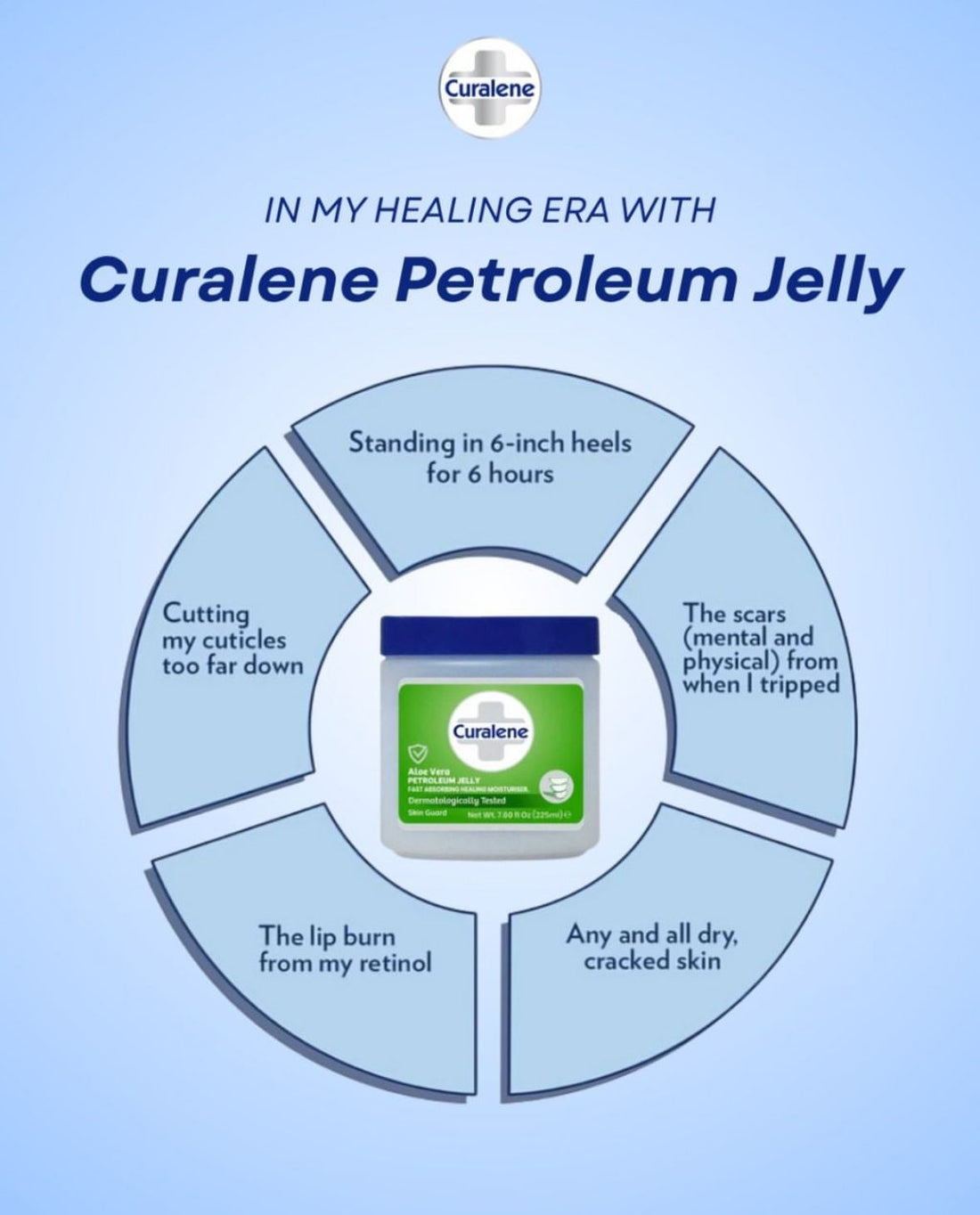
Best Petroleum Jelly for Dry Skin in the UK Autumn 2025
Introduction: Why Autumn in the UK Worsens Dry Skin As temperatures begin to fall and leaves begin to change colour, autumn in the UK presents itself with brisk air, shorter days and a consideration for your skin. The outdoor cold breezes and indoor central heating together will take its toll on our natural oils and in turn create a running battle with dry, itchy, irritated skin. For many, this is often the time of dry, cracked heels, scaly elbows, and chapped lips that we constantly battle to keep at bay. This is why finding the best petroleum jelly for dry skin in the UK autumn 2025 is more than a cosmetic it's a seasonal essential. Affordable, efficient, and multi purpose, petroleum jelly is a tried and tested skincare solutions that has served many generations and continues to remain relevant as the UK welcomes the next chilly season. What Makes Petroleum Jelly So Effective for Dry Skin? These are the advantages of the use of petroleum jelly during autumn: Moisture Lock – Blocks transepidermal water loss caused by dry air and heating systems. Healing Benefits – Repairs cracked skin, cuts, and scrapes. Impressive Versatility – Can be applied to the face, body, lips, heels, elbows, and even hands that were wounded from repeated washing. Low Cost – One tub or tube of petroleum jelly will last weeks, and even cost less than those trendy creams. In the UK, petroleum jelly is the first line of defense against cold weather dryness advised by dermatologists because it is readily accessible and works. How Autumn in the UK Impacts Your Skin UK autumn brings unpredictable weather, which usually results in cold mornings with very little warmth and damp evenings with deliberate bursts of rainfall, which can be harsh on the skin barrier. Common Skin Conditions in Autumn: Dry and flaky patches on the cheeks, forehead and chin. Chapped lips caused by cold and windy conditions. Cracked heels and hands caused by not enough humidity and continued washing. Eczema flare in bursts due to seasonal changes. For the previously listed issues, however, https://curalene.com/blogs/resource-hub/from-head-to-toe-the-ultimate-guide-to-nourishing-your-skin in 2025 in the UK are based on stronger hydration, repairing products, and gentle formulations, with petroleum jelly as one of the best options. Best Ways to Use Petroleum Jelly for Dry Skin This Autumn Understanding how to use petroleum jelly can be the difference between temporary relief and permanent results. 1. On the Face Use as the last step in your skin care routine at night by putting a thin layer on to seal moisture. This is great if you’re using a hydrating serum or cream. 2. On Lips Use throughout the day as a lip balm. Petroleum jelly is very effective in keeping lips from cracking in the UK autumn. 3. On Hands & Elbows Rub on rough patches before bed. Consider wearing cotton gloves to improve absorption. 4. On Cracked Heels Generously apply before bed, then put socks on. You will wake up with softer and smoother feet. 5. As a Barrier Cream Especially great for skin prone to eczema, it helps to form a barrier from outside irritants to sensitive areas. Petroleum Jelly vs. Body Lotion: Which Works Better in Autumn? Many individuals are uncertain whether they should opt for a body lotion or stick with petroleum jelly in the autumn months. To assist in your decision, I have compared the two products below. Feature Petroleum Jelly Body Lotion Hydration Level Seals in existing moisture Provides lightweight hydration Best For Severe dryness, cracks, lips, heels Daily maintenance, mild dryness Texture Thick, occlusive Light, absorbs quickly Season Suitability Perfect for autumn/winter Good for spring/summer The ideal autumn skincare routine in the UK combines body lotion for daily hydration with petroleum jelly for targeted areas that need extra care. Why Choose Natural Petroleum Jelly for Sensitive Skin? All petroleum jelly is not the same. Some contain fragrance, dye or ingredients that may irritate sensitive skin. When choosing petroleum jelly, select a pure and natural one to increase the likelihood of a safe and effective product, especially for individuals who have eczema, psoriasis, or fragile skin. Our best options contain: 1.Dermatologically tested 2.Fragrance free 3.Made for sensitive skin 4.Packaged for easy daily use. 5.Customer Shopping Behaviour in Autumn 2025 (UK Trends) Recent reports of skincare in the UK indicate that: 72% of consumers experience increased skin dryness and dehydration in the colder months. Sales of petroleum jelly have increased by up to 40% from October to January in comparison to summer months. Customers are opting for multi-functional products that are suitable for face, body and lips in one. (Source: Mintel UK Skincare Report 2024) This trend highlights why, in terms of priority, searching for the best petroleum jelly for dry skin in UK autumn 2025 is on the top of shoppers minds in preparation for winter. Where to Buy Petroleum Jelly in the UK This Autumn If you’re planning to stock up before the full winter chill arrives, choosing a reliable brand matters. You want something that offers: Long lasting protection Pure formulation Value for money Trusted UK delivery Curalene Petroleum Jelly At Curalene, we specialise in high quality, natural skincare solutions designed for the UK climate. Our petroleum jelly is: 100% pure and safe for all skin types Perfect for everyday use on face, lips, and body Packaged for both personal and family use Affordable with quick delivery across the UK Conclusion: Your Autumn Essential for Healthy Skin The UK autumn offers loveliness, but your complexion pays the price. The dry air, wind, and cold have an impact on your comfort, as well as your self confidence. This is why petroleum jelly has been one of the simplest yet most effective methods to shield, mend, and moisturize. If you are searching for the top petroleum jelly for dry skin in UK autumn 2025, ensure that you purchase a reliable pure product that actually works. When you purchase Curalene Petroleum Jelly, you are not purchasing a product you are investing in comfort, confidence, and care throughout the entire season. Shop Now with Curalene and start your fall skincare routine with a product that performs. Data Sources Petroleum Jelly Market Growth and Forecast, 2025-2035 — Future Market Insights (UK & Europe market outlook) Future Market Insights United Kingdom Skincare Product Market Size & Share Analysis, 2025-2030 — Mordor Intelligence (UK skincare market growth and trends) Mordor Intelligence Global Petroleum Jelly Market Report (2021-2031) — Transparency Market Research (global CAGR & market expansion) TMR
Learn more
Top 7 Petroleum Jelly Skincare Hacks UK Woman Should Know in 2025
When it comes to skincare, many women in the UK are looking for affordable, effective, and timeless solutions that stand the test of trends. One such product that has remained a household essential for decades is petroleum jelly. While it might look like a simple jar of balm, it is actually a multi tasking skincare hero that offers benefits far beyond basic moisturization. In 2025, as natural beauty and minimalistic skincare routines take center stage, petroleum jelly is proving once again why it deserves a permanent spot in every beauty cabinet. we’ll explore the top 7 petroleum jelly skincare hacks that every UK woman should know to maintain healthy, glowing, and nourished skin. 1. The Ultimate Lip Protector Dry, chapped lips are one of the most common skincare struggles, especially during the chilly UK winters. Petroleum jelly acts as a protective barrier, locking in moisture and preventing lips from cracking. Instead of relying on multiple lip balms, a thin layer of petroleum jelly before bed ensures soft and smooth lips by morning. To take it a step further, you can combine it with natural ingredients like a dab of soothing alovera gel for relief a nourishing product that hydrates deeply. 2. Say Goodbye to Dry Cuticles Well groomed nails are an important part of personal care, but cuticles often get neglected. Petroleum jelly is a quick fix for brittle, dry cuticles that can cause discomfort and ruin your manicure. By massaging a small amount around your nails daily, you’ll notice softer, healthier skin that frames your nails beautifully. This simple hack not only improves nail health but also prevents painful hangnails. 3. Long Lasting Fragrance Lock Perfumes can fade quickly, especially when applied directly to dry skin. One of the best kept beauty secrets is using petroleum jelly as a base layer. By dabbing a small amount on pulse points like the wrists, behind the ears, or the collarbone before spraying your fragrance, you create a moisture rich surface that holds onto scent molecules longer. This trick helps your favourite perfume last throughout the day, making it an essential hack for women on the go. 4. Instant Glow for Your Skin In 2025, the no makeup glow trend is stronger than ever. If you’re after radiant, dewy looking skin without layering multiple products, petroleum jelly is your ally. Apply a tiny amount to the high points of your face cheekbones, brow bones, or even your eyelids for a natural highlight effect. It’s a safe, budget friendly alternative to highlighters packed with synthetic shimmer. Plus, it doubles as a skin protectant, keeping dryness at bay during colder months. 5. Heel & Elbow Softener Rough heels and elbows are common problem areas that often resist regular lotions. Petroleum jelly penetrates deeply to soften and restore these tough spots. Apply generously at night, cover with socks or a long sleeved top, and let it work its magic while you sleep. With consistent use, you’ll notice visibly smoother heels and elbows within a week. 6. Makeup Saviour & Remover If you’ve ever run out of makeup remover, petroleum jelly comes to the rescue. It effortlessly dissolves waterproof mascara, eyeliner, and even long lasting lipstick without harsh rubbing. Simply apply a small amount to a cotton pad and gently wipe away makeup. Beyond removal, it can also act as a barrier to prevent dye stains on your skin when colouring your hair at home. 7. Protectant Against Harsh Weather The UK weather is unpredictable, rainy, windy, and often chilly. All these conditions can strip your skin of moisture. Petroleum jelly forms a protective shield against harsh environmental factors, making it ideal for daily use in winter. Whether you’re cycling, walking, or just commuting, applying a thin layer on exposed areas (like your face, hands, and lips) prevents windburn, redness, and excessive dryness. Why Petroleum Jelly Deserves a Place in Modern Skincare As 2025 continues to shift skincare trends towards simplicity and effectiveness, petroleum jelly remains a trusted staple. While modern serums and high-tech creams may flood the market, few match the versatility and reliability of this classic product. It’s affordable, widely available, and safe for sensitive skin. Plus, when combined with natural ingredients like alovera or cocoa butter, it becomes an even more powerful vitamin E nourishing product that delivers results without unnecessary chemicals. Final Thoughts The beauty of petroleum jelly lies in its simplicity. It’s not just an emergency fix it’s a timeless skincare companion. From soothing chapped lips to locking in fragrance, its hacks are practical, effective, and budget friendly. For women across the UK, especially in 2025 where skincare is all about being minimal yet impactful, petroleum jelly proves that sometimes the best solutions are the simplest ones. By incorporating these 7 petroleum jelly skincare hacks into your routine, you’re not only saving time and money but also embracing a classic product that has stood the test of generations. At Curalene, we believe in skincare that works with your lifestyle, not against it. Petroleum jelly is just one example of how everyday essentials can transform your beauty routine. Whether you’re tackling dryness, aiming for a radiant glow, or looking for smart hacks, simple solutions often deliver the most lasting results. FAQs Is petroleum jelly safe to use on all skin types? Yes, petroleum jelly is generally safe for all skin types, including sensitive and dry skin. Can I use petroleum jelly on my face every day? You can use petroleum jelly daily on your face, especially on dry areas or as a protective barrier. For those following minimal skincare routines. Will using petroleum jelly on my skin cause breakouts? Petroleum jelly itself doesn’t clog pores, but if applied over unclean skin, it can trap dirt and bacteria, potentially leading to breakouts. Always cleanse your skin thoroughly before applying it, especially on acne-prone areas.
Learn more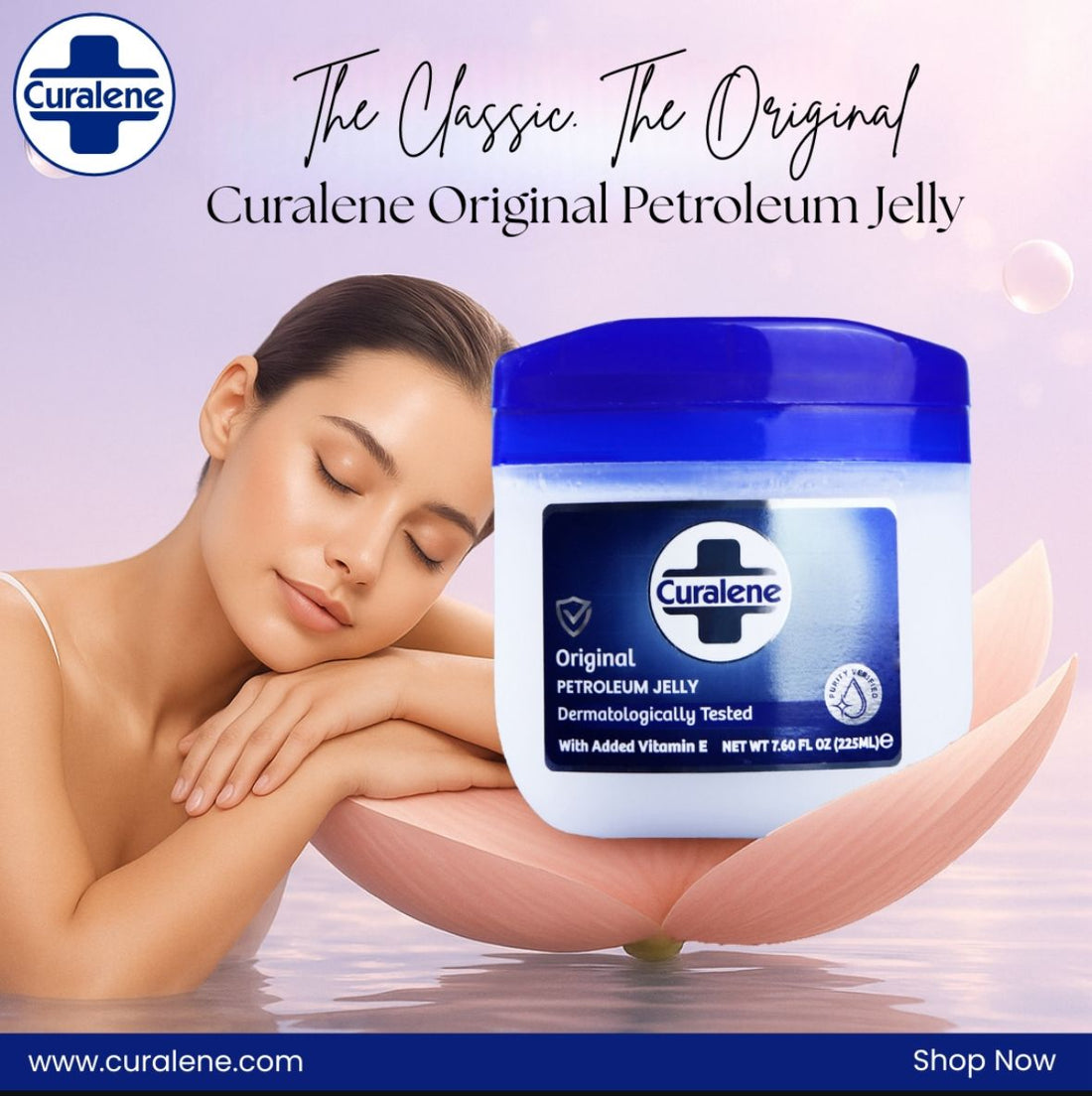
How Petroleum Jelly Helps with Dry Skin in the UK Climate (2025 Guide)
Introduction Dry skin is a challenge faced by millions across the UK, especially during the long winters and sudden weather shifts. From harsh winds to indoor heating, the British climate creates the perfect conditions for skin dehydration. While there are countless moisturisers and serums on the market, one timeless product continues to prove its worth is skin protectant.Simple, affordable, and dermatologist recommended, petroleum jelly remains a staple for preventing and treating dry skin. In this blog, we’ll explore why petroleum jelly works so well in the UK climate, how to use it for maximum results, common myths, and where to source it including bulk supply for retailers, salons, and clinics. Why Dry Skin Is So Common in the UK The UK’s environment is a major contributor to dry and irritated skin. Key factors include: Cold Winters & Low Humidity – Cold air lacks moisture, which causes water to evaporate from the skin quickly. Indoor Heating – Radiators and central heating dry out indoor air, worsening skin dehydration. Hard Water Areas – Much of the UK has hard water, which can leave mineral residue on the skin and weaken its natural barrier. Unpredictable Weather – Sudden shifts between rain, wind, and sun challenge the skin’s ability to stay balanced. Together, these factors make dry skin a year round struggle for many in the UK but petroleum jelly provides a simple, proven solution. What Is Petroleum Jelly? Petroleum jelly is a semi solid mixture derived from natural waxes and oils. cosmetic grade product widely used in skincare today. Its effectiveness lies in its occlusive properties. Unlike regular moisturisers that add hydration but evaporate quickly, petroleum jelly locks in moisture by forming a protective barrier on the skin. This makes it especially valuable in climates like the UK, where both environmental and lifestyle factors strip the skin hydration. How Petroleum Jelly Helps with Dry Skin in the UK 1. Locks in Moisture The biggest advantage of petroleum jelly is its ability to trap water in the skin. By applying it after cleansing or showering, you seal in hydration, keeping your skin soft and supple for longer. 2. Protects Against Harsh Weather The UK’s winds and fluctuating temperatures can cause chapping, redness, and irritation. Petroleum jelly acts as a shield, helping skin withstand daily exposure to the elements. 3. Repairs the Skin Barrier Dryness often leads to small cracks in the skin. Petroleum jelly promotes healing by creating an environment where the skin can repair itself naturally. 4. Gentle for Sensitive Skin Because it’s fragrance free and hypoallergenic, petroleum jelly is suitable for sensitive skin types and even recommended by dermatologists for eczema prone skin. 5. Prevents Hard Water Damage Hard water deposits can leave the skin feeling tight and rough. Applying petroleum jelly after washing helps minimise this effect by reinforcing the skin’s protection. Best Ways to Use Petroleum Jelly in Skincare 1. Daily Moisture Seal Apply a thin layer of petroleum jelly immediately after a shower or face wash to lock in hydration. 2. Night Routine Trending in 2025, Night Routine involves applying a moisturiser first, then sealing it with petroleum jelly before bed. This leaves skin plump and refreshed in the morning. 3. Lip Care For chapped or cracked lips, a dab of petroleum jelly provides instant relief and lasting softness. 4. Hands & Cuticles Frequent handwashing can strip skin of moisture. Petroleum jelly keeps hands and cuticles nourished, especially during winter. 5. Feet & Elbows Dry patches on feet, elbows, and knees benefit from a thick layer of petroleum jelly, ideally overnight under socks or gloves. Petroleum Jelly vs. Moisturisers Factor Petroleum Jelly Regular Moisturisers Moisture Retention Excellent evaporates faster Skin Sensitivity Highly safe, fragrance free may contain irritants Weather Protection Outstanding in winter Moderate Tips for Safe Use Always apply to clean, dry skin to avoid trapping bacteria. Use a thin layer it’s highly effective even in small amounts. Pair with a moisturiser for best results (moisturiser adds hydration, petroleum jelly locks it in). For persistent skin issues, consult a dermatologist. Why Petroleum Jelly Is a UK Skincare Essential in 2025 Proven – Backed by decades of dermatological trust. Accessible – Available in pharmacies, supermarkets, and online. Minimalist – Fits the growing 2025 skincare trend of “less is more.” Weather-Resistant – Perfect for the UK’s unpredictable climate. Bulk Buying & Wholesale Options (Curalene) For retailers, salons, healthcare providers, or distributors looking to stock Skincare products in UK , Curalene offers flexible solutions. As a trusted manufacturer and distributor in the UK, Curalene supplies high quality petroleum jelly in multiple pack sizes, from small retail jars to wholesale cartons. Whether you need bulk orders for business use or customised supply options for resale, Curalene provides: Competitive wholesale pricing Reliable UK wide delivery Tailored packaging and order flexibility Conclusion In the ever changing UK climate, dry skin remains a persistent issue. But Curalene’s skin wellness products trusted for generations continues to stand out as one of the simplest and most effective solutions in 2025. By locking in moisture, shielding against environmental stressors, and supporting skin repair, it proves itself as a skincare essential for households and businesses alike. For individuals, it’s a must have in every bathroom cabinet. And for businesses, Curalene provides reliable bulk and wholesale supply across the UK, ensuring that this timeless skincare solution is always within reach. FAQs 1. Can I use petroleum jelly every day? Yes, especially on dry patches or as part of your daily skincare routine. 2. Is it suitable for children? Yes, it’s often used for baby skincare needs like nappy rash. 3. Does it work on eczema? It helps soothe and protect eczema prone skin, though medical advice is recommended for severe cases. 4. Can it replace moisturiser? It’s best used in combination: apply moisturiser first, then petroleum jelly to seal it in. 5. Where can I buy petroleum jelly in bulk in the UK? Through manufacturers and distributors such as Curalene, which offers wholesale supply.
Learn more
Nature’s Best-Kept Secret: The Benefits of Glycerin in Skincare
Ever wondered what makes your favourite cream or soap so hydrating? Introducing the hidden gem of skincare wonders—glycerin! This humble, colorless liquid is a skincare superhero, working behind the scenes to keep your skin soft, supple, and glowing. This natural humectant often gets unnoticed for its heroics in skincare and is a powerhouse when it comes to keeping your skin soft, hydrated, and glowing. But what makes glycerin so special? Let’s explore its magic! What is Glycerin, & Why is It So Effective? A natural compound derived from plant oils and animal fats, glycerin works by attracting moisture towards your skin from the air and locks it in. For hydration, it is one of the best ingredients available. Glycerin is lightweight, non-greasy, just like the Curalene Pure Glycerin and is suitable for all skin types unlike heavy creams. The Amazing Benefits of Glycerin Intense Hydration – Glycerin is one of the best ingredients available for hydration. It pulls moisture into the skin, keeping it soft and plump.How to Use It: Apply a few drops of glycerin mixed with rose water or aloe vera gel for an instant hydration boost. You can also add it to your moisturiser for extra nourishment. Prevents Dryness – It creates a protective barrier that prevents water loss.How to Use It: Use a glycerin-based soap to cleanse your skin without stripping away essential oils. Follow up with a glycerin tonic or serum to lock in hydration. Soothing Irritated Skin – Its calming properties help with redness, itching, and sensitivity.How to Use It: Mix glycerin with chamomile or cucumber juice and apply it as a soothing face mist. You can also use glycerin-based toners to calm sensitive skin. Anti-Aging Effects – By keeping the skin hydrated, glycerin helps reduce the appearance of fine lines.How to Use It: Apply glycerin-infused serums or tonics before your moisturiser to enhance hydration. Regular use can help improve skin texture and keep it looking radiant. Must-Try Glycerin Products Glycerin Soaps – Gentle & MoisturisingUnlike regular soaps that can be harsh, glycerin soaps cleanse the skin without stripping away natural oils. They are perfect for people with sensitive or dry skin. Glycerin Tonic – A Hydration BoostA glycerin-based facial tonic refreshes and hydrates the skin instantly. Use it as a toner before applying your moisturiser for a dewy, healthy glow. How to Use Glycerin in Your Routine Applying glycerin is very easy and can easily become a part of your routine. Apply a few drops of pure glycerin mixed with rose water for an instant hydration boost. Use glycerin soap daily for gentle cleansing. Spritz glycerin tonic throughout the day to keep your skin fresh. Mix glycerin with your moisturiser for extra hydration during winter. Conclusion Glycerin is without-a-doubt one of nature’s best-kept secrets for radiant, healthy skin. Whether you choose to opt for glycerin soaps for gentle cleansing or a glycerin tonic for a hydration boost, this powerful ingredient deserves a spot in your skincare routine. Ready to unlock the magic of glycerin? Use Curalene’s Pure Glycerin and your skin will thank you!
Learn more
Hair Tonic Magic: The Secret to Stronger, Healthier Hair
Standing in front of the mirror and dreaming of having thick, luscious hair? We understand. But with pollution around, stress, and styling damage, maintaining strong and healthy hair can feel like an uphill battle. That’s where the magic of hair tonics comes in - a game-changer in your hair care routine. This blog will talk about how hair tonic can make your hair thick, strong, and healthy. What is a Hair Tonic & Why Do You Need It? A hair tonic is a lightweight, nutrient-rich liquid that nourishes the scalp, strengthens hair follicles, and boosts overall hair health. As much as the name sounds fancy, it’s not just another fancy product but part of a nourishing hair care routine and is a powerhouse for hair growth, hydration, and shine. Benefits of Using a Hair Tonic Using hair tonics has multiple benefits, such as taking care of your hair without damaging it. Some of the major benefits are - Strengthens Hair Roots – Hair tonics are filled with essential vitamins and minerals that fortify the roots and help reduce hair fall, just like Curalene’s Hair Tonic, which has Vitamin E. Hydrates the Scalp – Are you having a dry scalp? A good hair tonic provides deep hydration without making your hair greasy. Boosts Hair Growth – Ingredients like biotin, ginseng, and caffeine stimulate hair follicles, encouraging new growth. Adds Shine & Softness – Say goodbye to dull, lifeless hair! Hair tonics improve texture, leaving your strands soft and silky. Reduces Dandruff & Itchiness – Many tonics contain anti-inflammatory properties that keep scalp irritation at bay. It helps reduce dandruff and itchiness in your hair, ensuring healthier growth. How to Use a Hair Tonic the Right WayNow that we know what a hair tonic is and what its benefits are, let’s understand how to use hair tonic the right way. Step 1: Apply on a Clean Scalp – Apply hair tonic after washing your hair to allow better absorption. Step 2: Massage Gently – A light massage increases blood circulation and enhances effectiveness. Step 3: Use Consistently – For better and visible results, apply at least 2–3 times a week. Step 4: Pair with a Healthy Diet – Great hair starts from within, so eat a balanced diet rich in proteins and vitamins. Best Ingredients in a Hair Tonic To keep your hair healthy and smooth, it is important to use ingredients which are best for your hair. Look for: Rosemary Oil – Stimulates hair growth and improves scalp health. Biotin – Strengthens hair and prevents breakage. Green Tea Extract – Fights hair loss with powerful antioxidants. Aloe Vera – Soothes the scalp and hydrates hair. Conclusion A hair tonic isn’t just another step in your routine, it’s a secret weapon for healthier, stronger hair. Use hair tonics which are rich in Vitamin E and are free from Harsh chemicals, just like Curalene’s Hair Tonic, which has rich nutrients in it. With regular use, you’ll notice reduced hair fall, better texture, and a scalp that feels refreshed.
Learn more